
This restoration work takes place within the hahuułi of aaḥuusʔatḥ ḥawiiḥ (traditional territory of Ahousaht First Nation’s hereditary chiefs).
RESTORING THE HUU?INMITIS (BEDWELL) RIVER WATERSHED
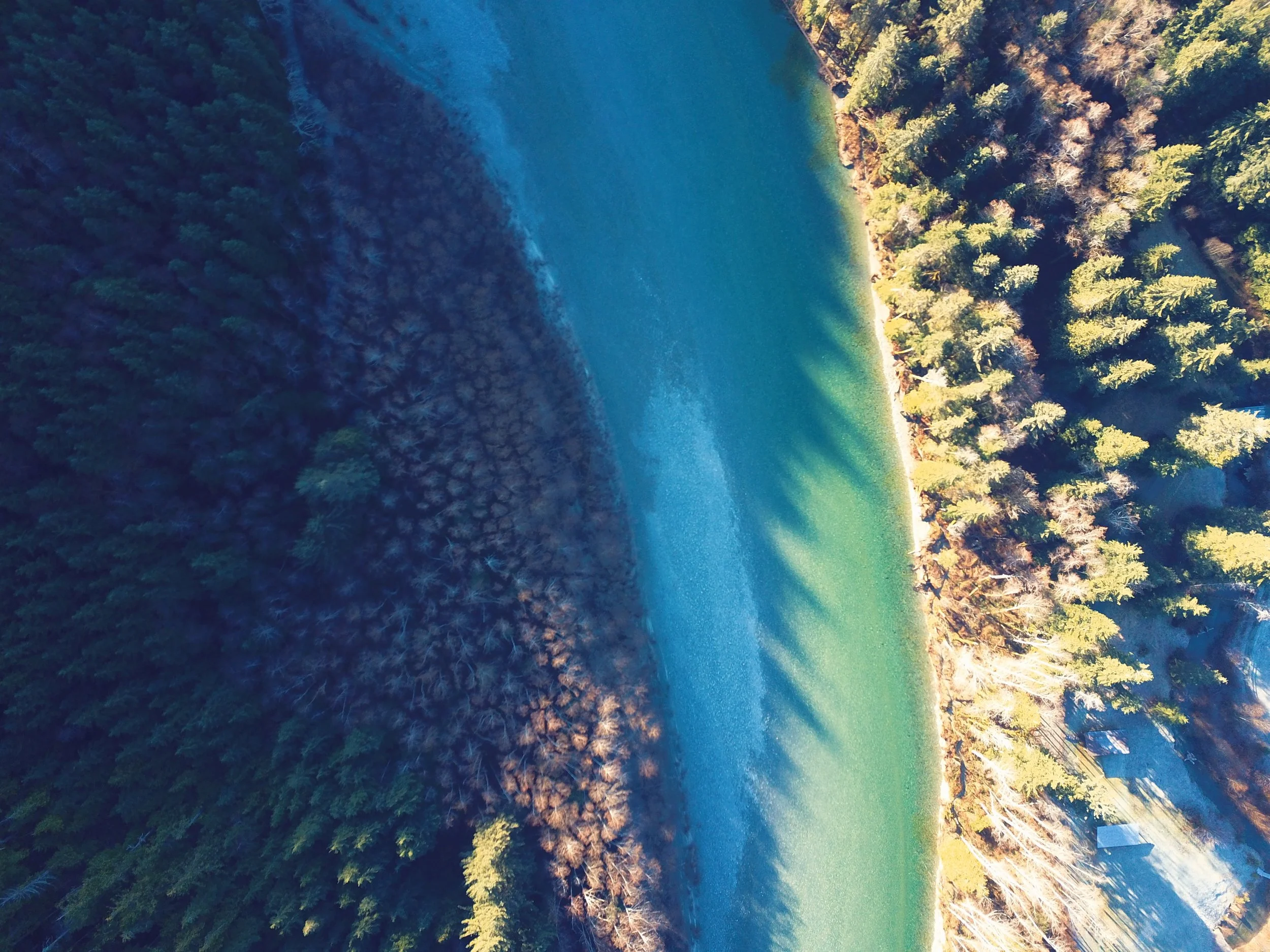
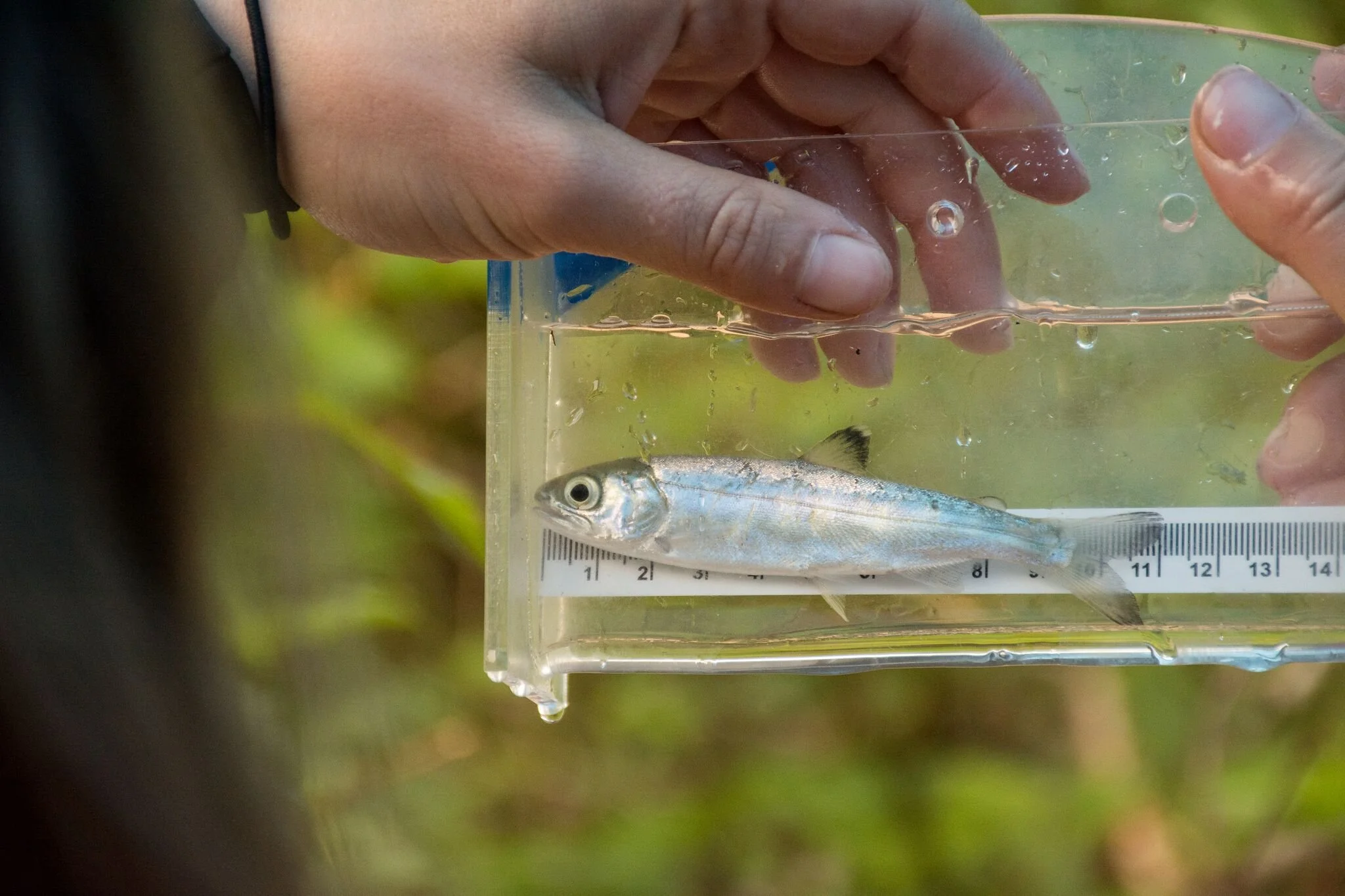
The ʕaaḥuusʔatḥ (Ahousaht) Nation territory has long stewarded huuʔinmitis (Bedwell River) in their hahuułi (territory), maintaining a watershed rich in wild salmon, healthy forests, wildlife, and culturally important plants. This abundance was not accidental. It reflected generations of Indigenous stewardship that sustained the natural relationships between forests, rivers, salmon, and people.
Beginning in the late 1800s, intensive gold mining, road building, and later industrial logging dramatically altered the watershed. Productive valley-bottom forests and riparian ecosystems were cleared, disrupting the natural processes that had shaped the river for centuries, and affecting the health and abundance of wild salmon populations.
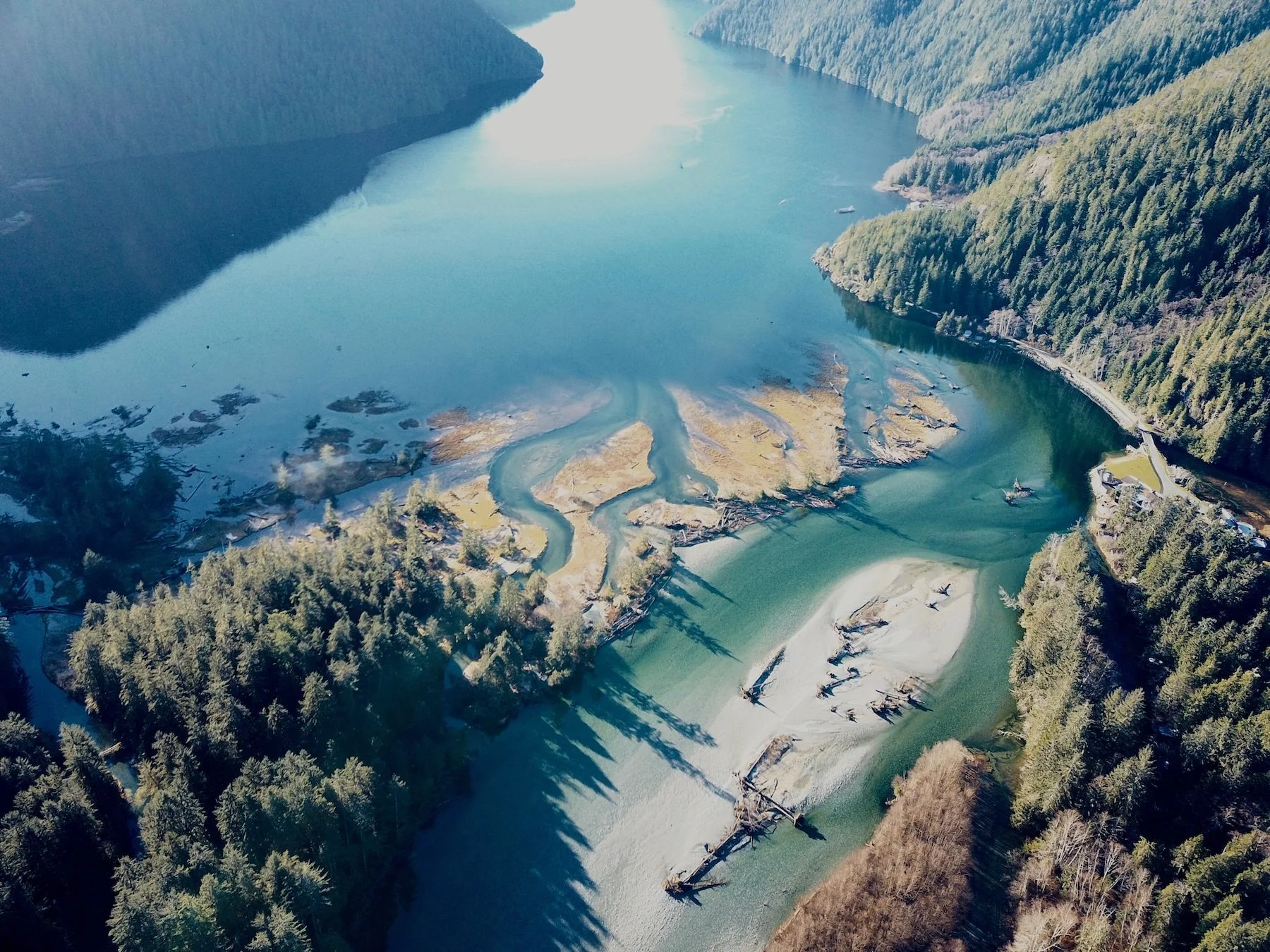
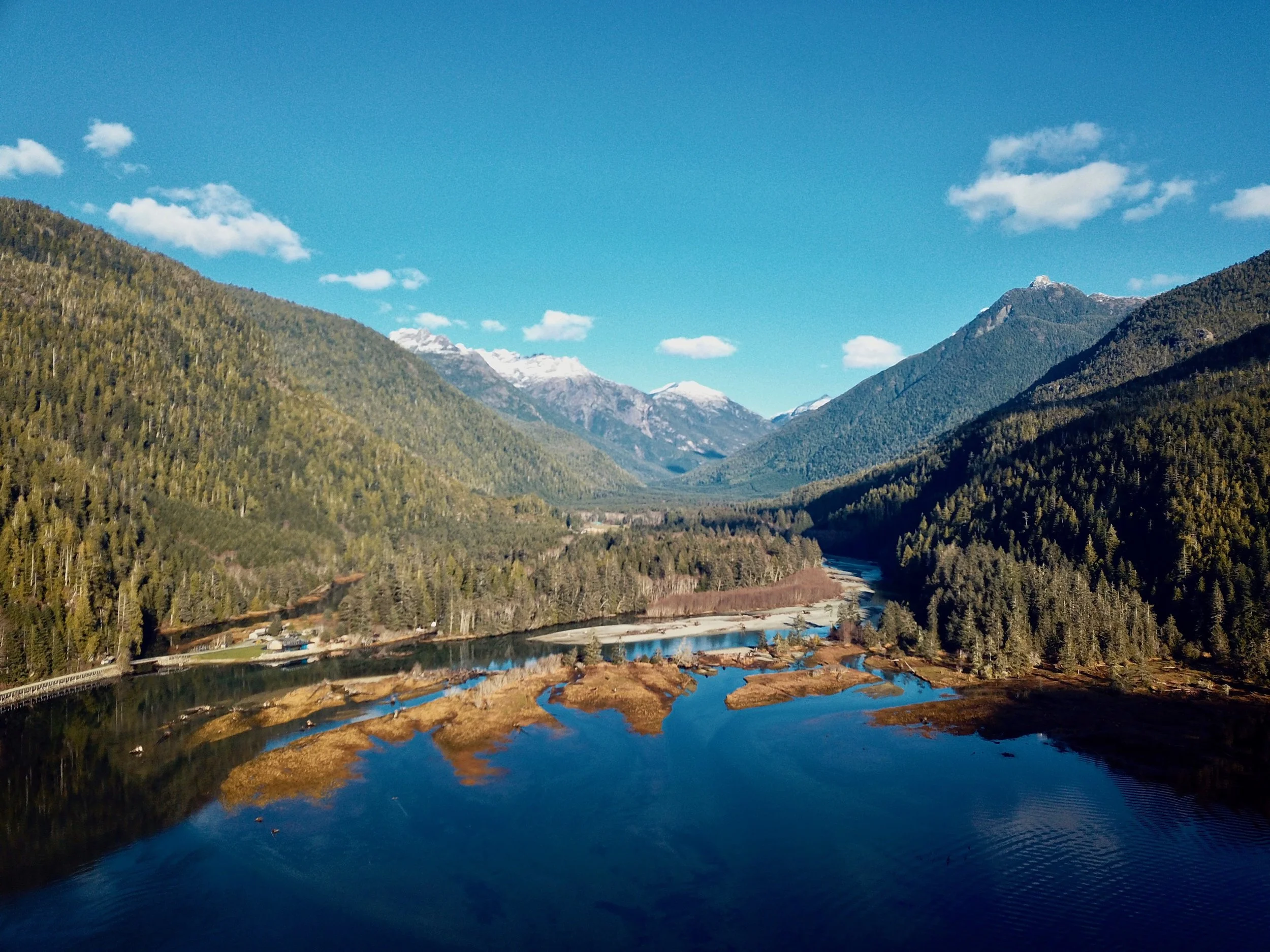
Today, huuʔinmitis remains remarkably resilient. Much of the watershed is now protected, and many of the ecological building blocks needed for recovery remain intact. It presents a significant opportunity for watershed restoration on Vancouver Island.
Restoring the River. Rebuilding Abundance.
Healthy salmon rivers depend on complexity.
Deep pools, side channels, floodplain forests, large wood, and cool, clean water create the habitat salmon need to spawn, rear, and survive changing seasons.
Historic logging and mining simplified the huuʔinmitis River, reducing habitat complexity and disconnecting floodplains. Mature forests that once recruited large wood to the river have largely been replaced by younger red alder stands, limiting the natural processes that sustain productive salmon habitat.
By restoring natural river processes rather than simply repairing isolated sites, we can rebuild resilient ecosystems that support salmon, wildlife, and communities for generations.
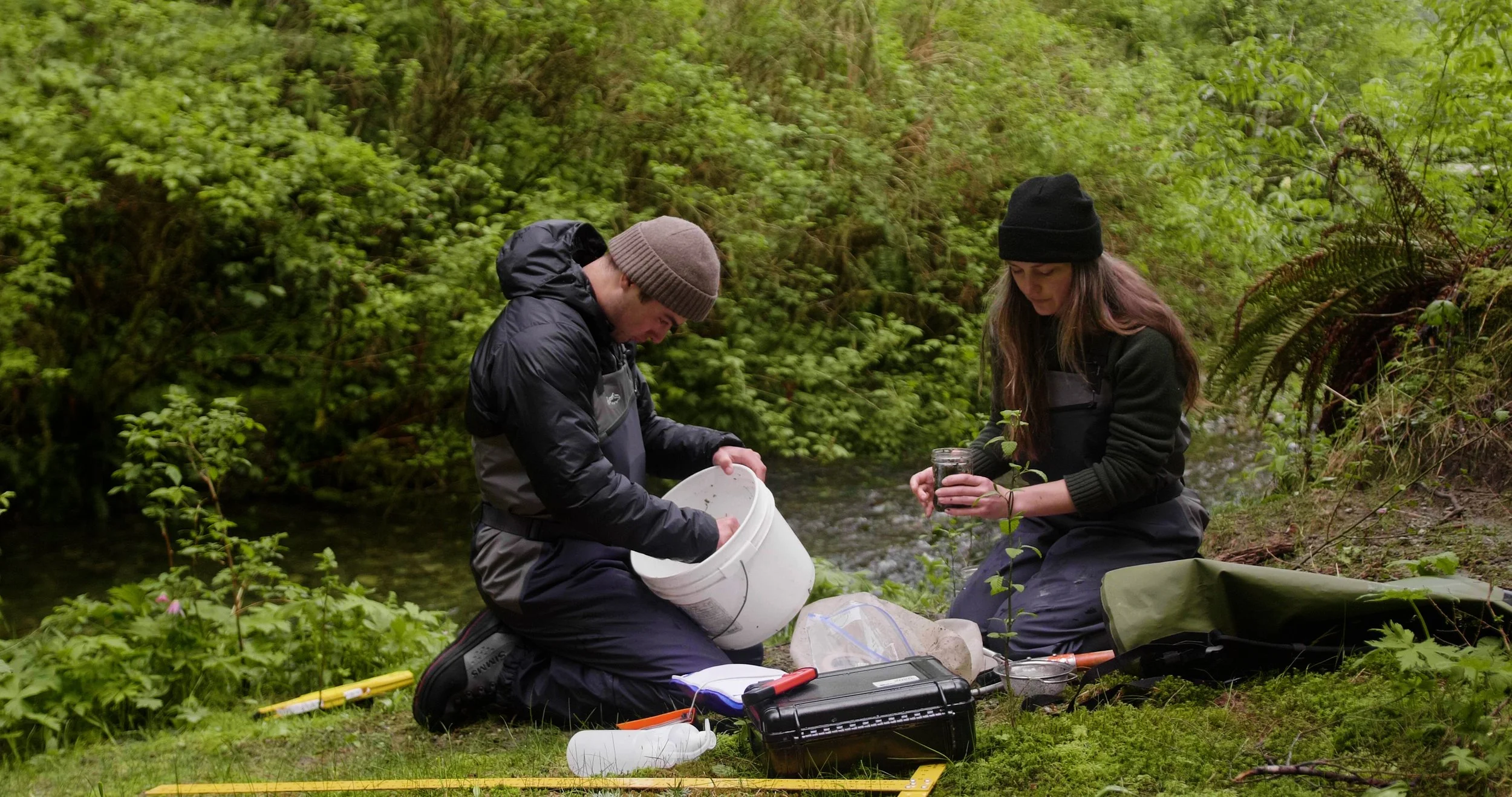
Ahousaht Nation, Maaqutusiis Hahoulthee Stewardship Society, and Redd Fish Restoration Society are working together to restore huuʔinmitis through a long-term, watershed-scale restoration program.
The initiative focuses on:
restoring salmon habitat and natural river processes
reconnecting floodplains and side channels
installing large wood structures to increase habitat complexity
stabilizing eroding riverbanks
restoring riparian forests with western redcedar (Thuja plicata), Sitka spruce (Picea sitchensis), and other native species
supporting Indigenous stewardship, Guardian programs, monitoring, and long-term watershed management
This Indigenous-led restoration approach combines the best available science with generations of stewardship knowledge to restore ecological function across the entire watershed.
Together, we can restore one of the most important salmon watersheds in ʕaaḥuusʔath territory and create lasting benefits for salmon, forests, wildlife, and future generations.
Help Restore huuʔinmitis
Restoring the huuʔinmitis River watershed is a long-term commitment.
Over the next decade, our goal is to secure $10 million to implement the huuʔinmitis Watershed Recovery Initiative. This investment will fund large-scale salmon habitat restoration, riparian forest recovery, Indigenous stewardship, ecological monitoring, and long-term watershed management.
By supporting this initiative, you are helping restore one of the most significant salmon watersheds in Ahousaht territory while investing in healthy forests, thriving rivers, climate resilience, and future generations.
Want to see more amazing work on this project, and others like it? Support Redd Fish by donating (link on the right)!